Smokin'
Nature Series

I share my garden space with woodland neighbours. I also don't really garden, not in the traditional sense.
I don't spend hours creating immaculate borders or striving for the perfect lawn. I don't declare war on every weed that dares appear.
Instead, I negotiate with them.
As we live on the edge of woodland nature is always trying to move in. Brambles creep under the fence and hedges. Nettles appear where there were none the year before.
A tiny sycamore arrived by helicopter seed and is growing tall. A willow has popped up as if it has always been there.
My approach is simply ‘if it's not invasive, it can stay’.
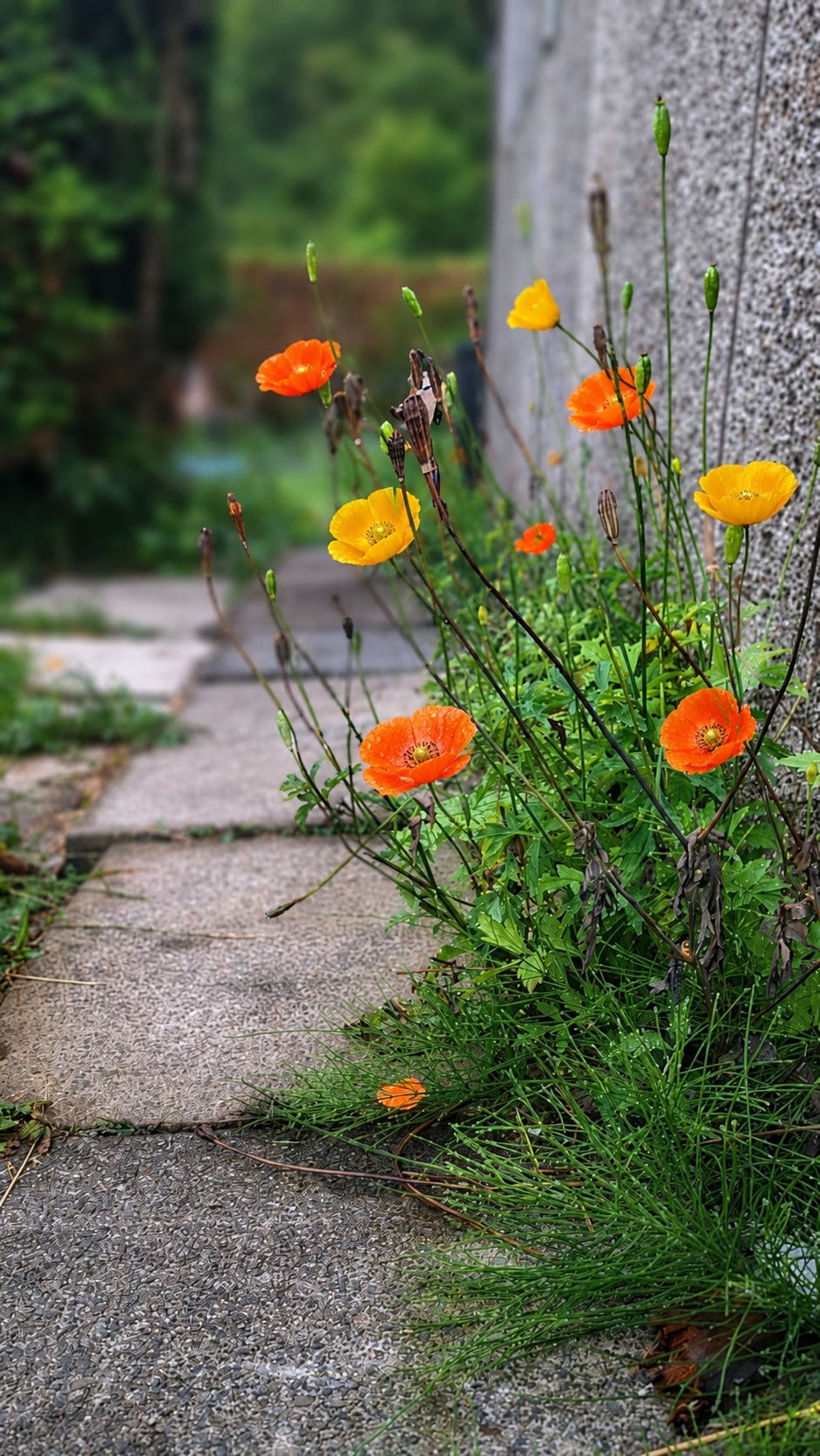
Managed, of course. The paths remain clear but for the poppies popping up along the edges. The lawn, ok grass, doesn't disappear beneath a forest of clover.
Not for too long anyway. Anything intent on becoming a forty-foot tree in the middle of the garden gets relocated... or removed.
The rest? They're my neighbours. Nettles, clover, daisys, dandelions, wild chives…
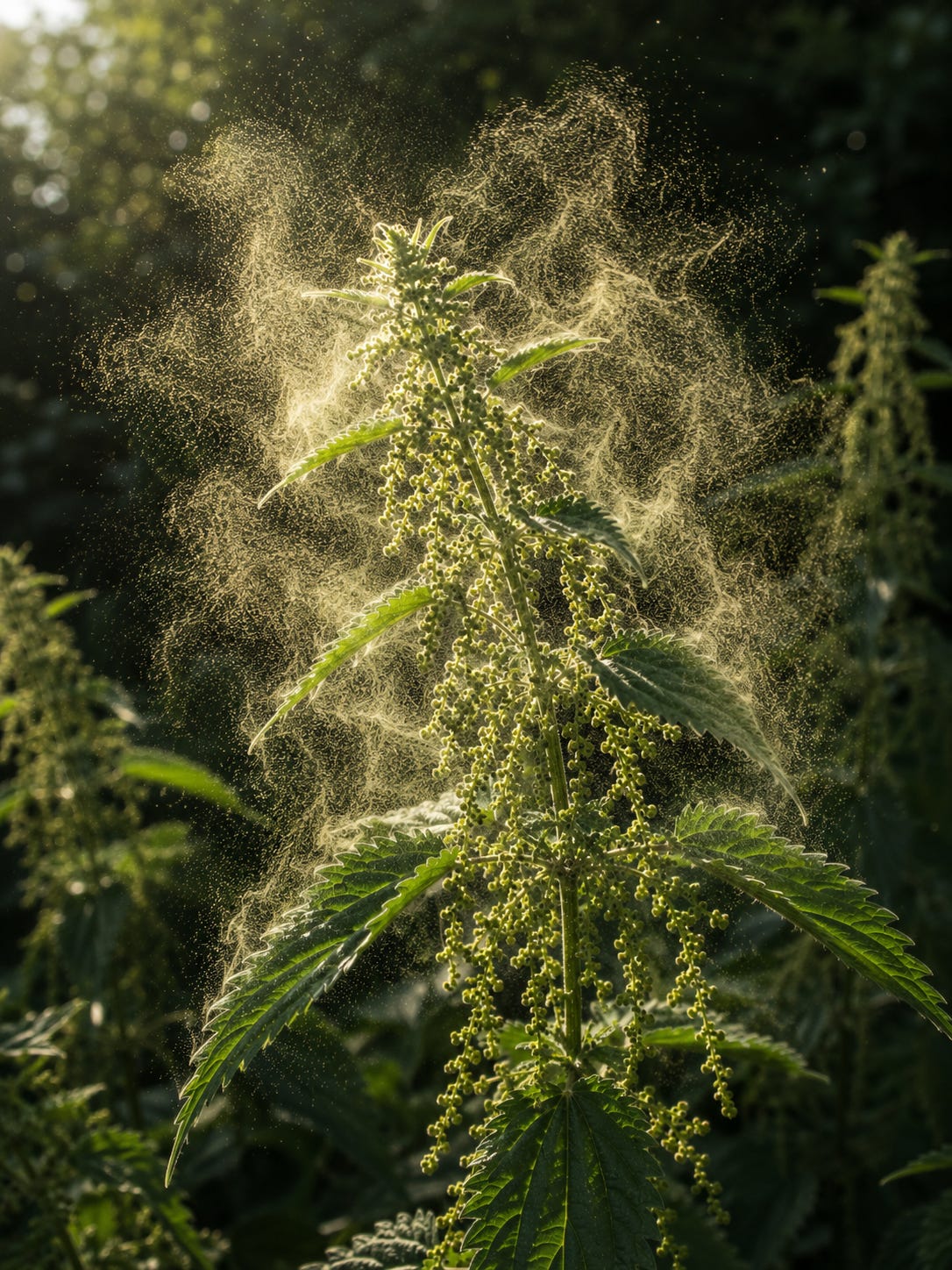
This afternoon I was sitting at the garden with a cup of tea listening to the bird song when I noticed the nettles were smoking.
Not actually smoking, of course. Tiny wisps drifted into the still, hot air like someone hidden in the foliage was quietly puffing on a cigarette.
I'd never seen it before.
A closer look revealed flowering male nettles releasing clouds of pollen, each little puff curling upwards in the sunshine before disappearing. One of those small moments that has probably happened every summer for thousands of years, yet I'd only just noticed.
That sent me wandering around the garden with my phone.
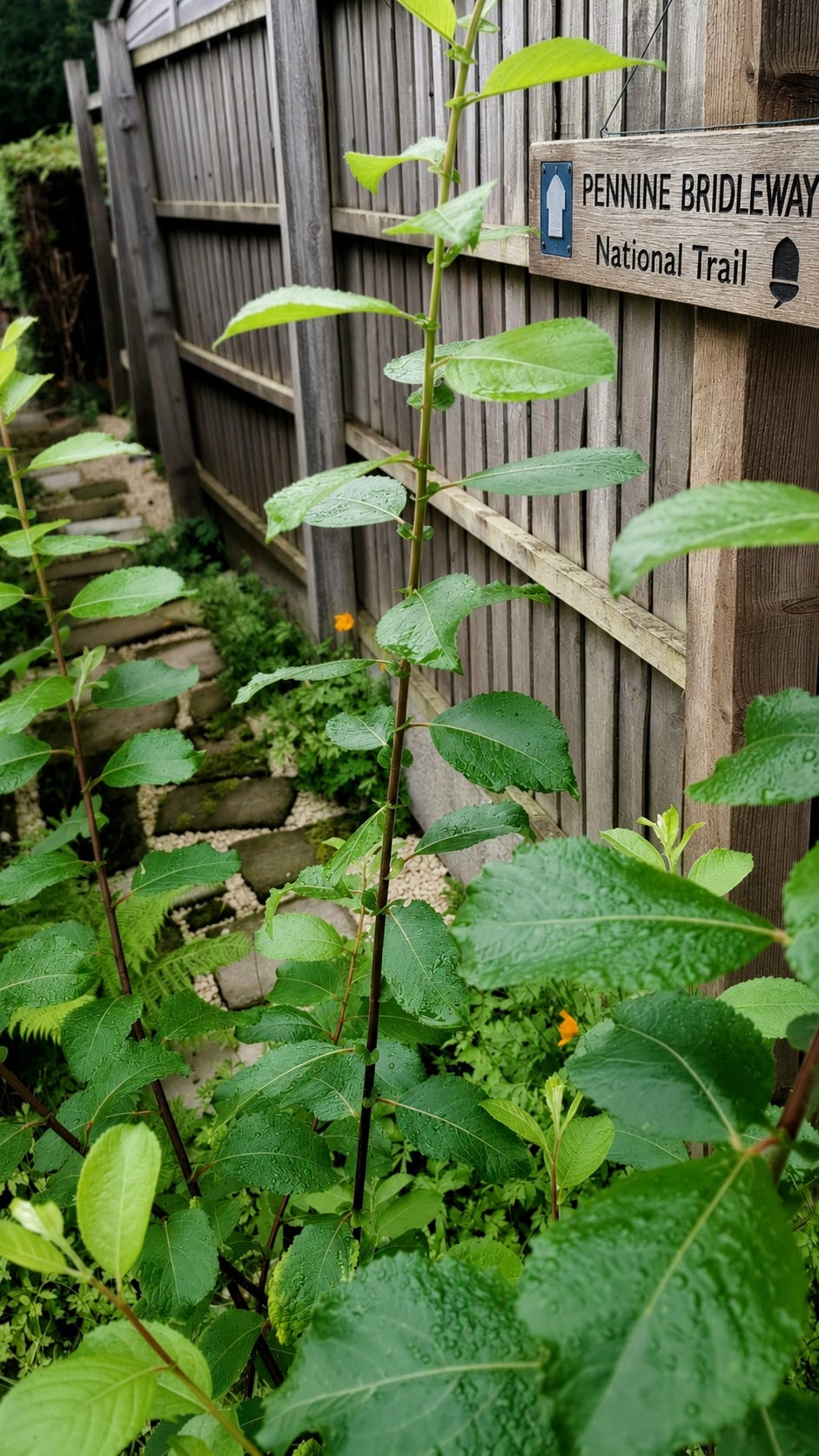
The butterfly bush I'd never planted. The young sycamore that had invited itself in. The willow sapling making the most of a sunny area near the Pennine Bridleway.
A patch of pink cranesbill buzzing with insects. None of them were planned. Most of them self-seeded and all of them feeding something.
The nettles are raising peacock and small tortoiseshell butterflies. The buddleja will feed adults later in the summer. Brambles provide blossom for pollinators and blackberries for birds and for me, if I get there there in time.
It made me realise that the garden isn't really mine. I'm just borrowing the space.
Sharing it with butterflies, bees, hoverflies and countless insects whose names I don't know. A chorus of birds. The hedgehogs and tiny mice that visit at night.
Not every wild plant gets to stay. But every one gets the chance to be identified before I decide if it goes.
It turns out that living close to nature isn't about controlling it. It's about learning to live alongside it.